Forever Home Design | Timeless, Livable Interiors | Lisa Scheff Designs
How to Design a Beautiful Home for Aging in Place: A Real Project in Longmeadow, Massachusetts
Designer: Lisa Scheff, Lisa Scheff Designs
Photography: Kaylee Decollibus, KayD Photo
Location: Longmeadow, Massachusetts
Spaces: Primary bedroom, custom walk-in closet with integrated laundry, primary bathroom, guest bathroom, and powder room
What Does "Aging in Place" Actually Mean in Interior Design?
Aging in place means designing a home so that its occupants can live comfortably, safely, and independently as they get older — without needing to move to assisted living or undergo major renovations later. In practice, it means thinking ahead: wider doorways, single-level living, accessible bathrooms, and layouts that work as well at 80 as they do at 55.
But aging in place does not have to mean clinical. This project in Longmeadow, Massachusetts is proof of that.
The Story Behind This Project
After years of relocating across the country for work and family, this couple made a decision: they were putting down roots in Western Massachusetts for good. They wanted a forever home — one that would carry them through the decades ahead without forcing them to compromise on beauty, warmth, or the feeling of truly being home.
That is where Lisa Scheff Designs came in.
The goal was not to build something new. It was to rethink what already existed — to reconfigure the home's layout so that everything needed for daily life could happen on a single level, and to do it in a way that felt intentional, cozy, and timeless rather than medical or retrofitted.
How the Home Was Redesigned for Long-Term Living
Single-Level Daily Living
One of the most important decisions in aging-in-place design is eliminating the need to navigate stairs for everyday tasks. In this project, the home was reconfigured so that the kitchen, laundry, bedroom, and bathrooms all exist on one floor. This kind of layout planning is far less disruptive when done proactively than when done reactively after mobility becomes a concern.
Expanding the Bathrooms Within the Existing Footprint
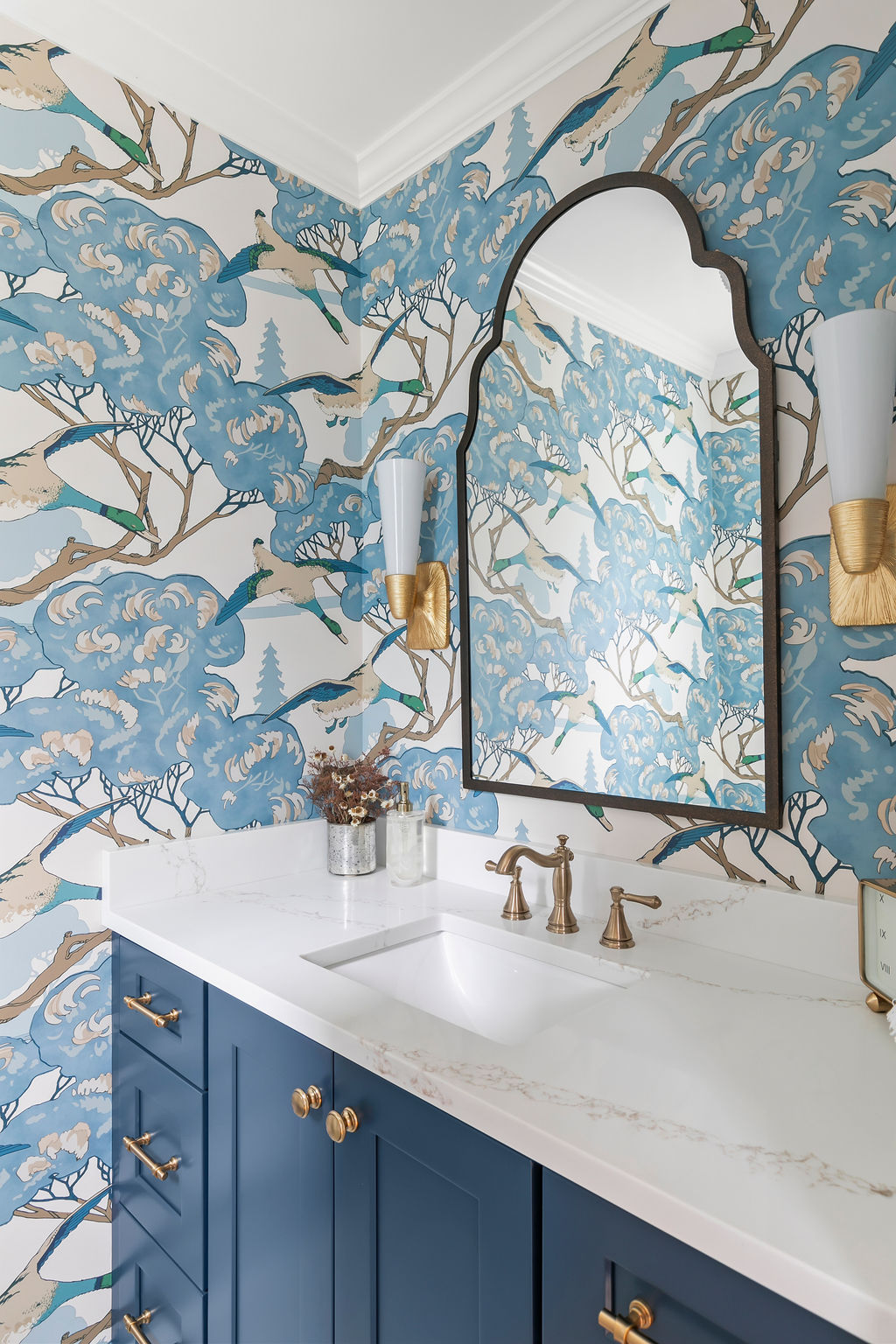
Both the primary bathroom and the guest bathroom were expanded — not by adding square footage to the house, but by reconfiguring the existing floor plan. The result is bathrooms that can comfortably accommodate walkers and future mobility aids, with enough turning radius and open space to remain functional no matter what life brings.
This is a key strategy in thoughtful aging-in-place design: you do not always need more space, you need better space.
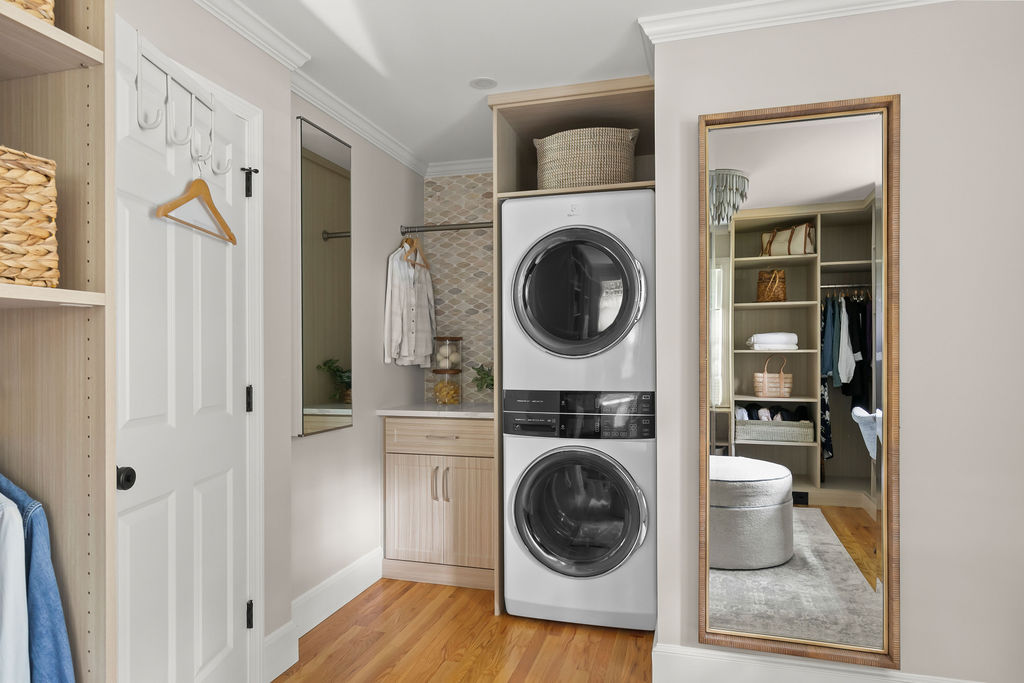
Converting a Guest Bedroom into a Custom Walk-In Closet with Laundry
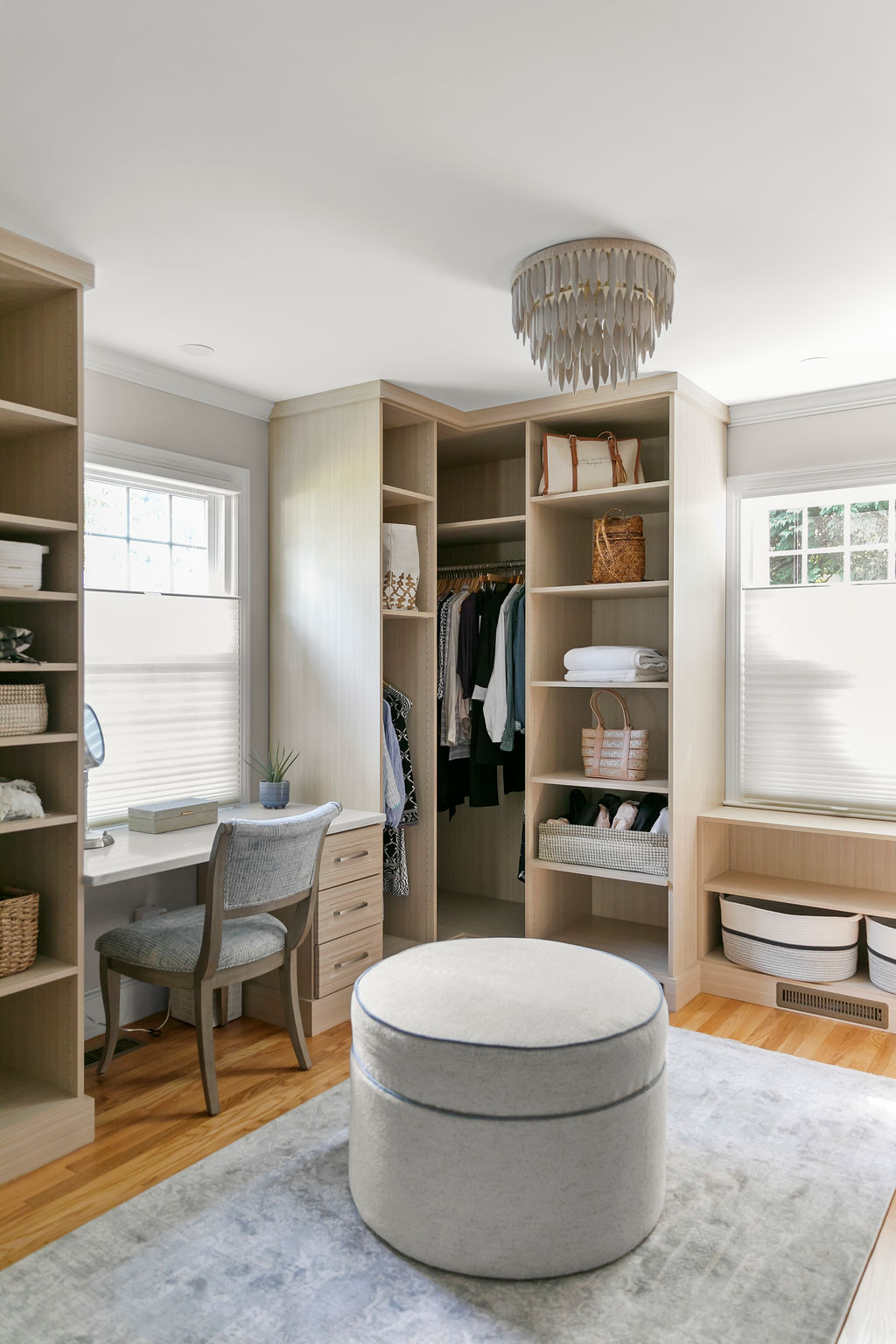
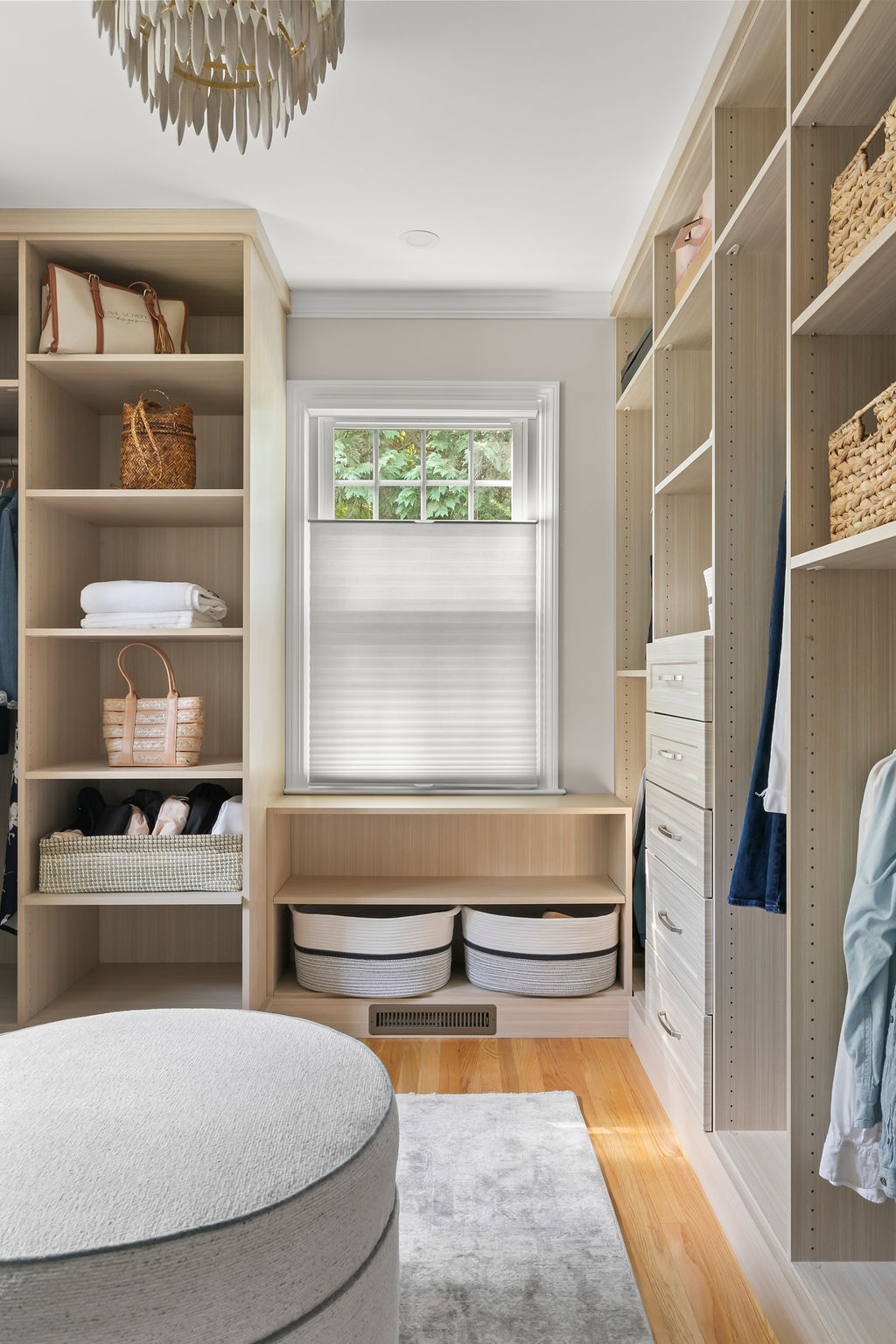
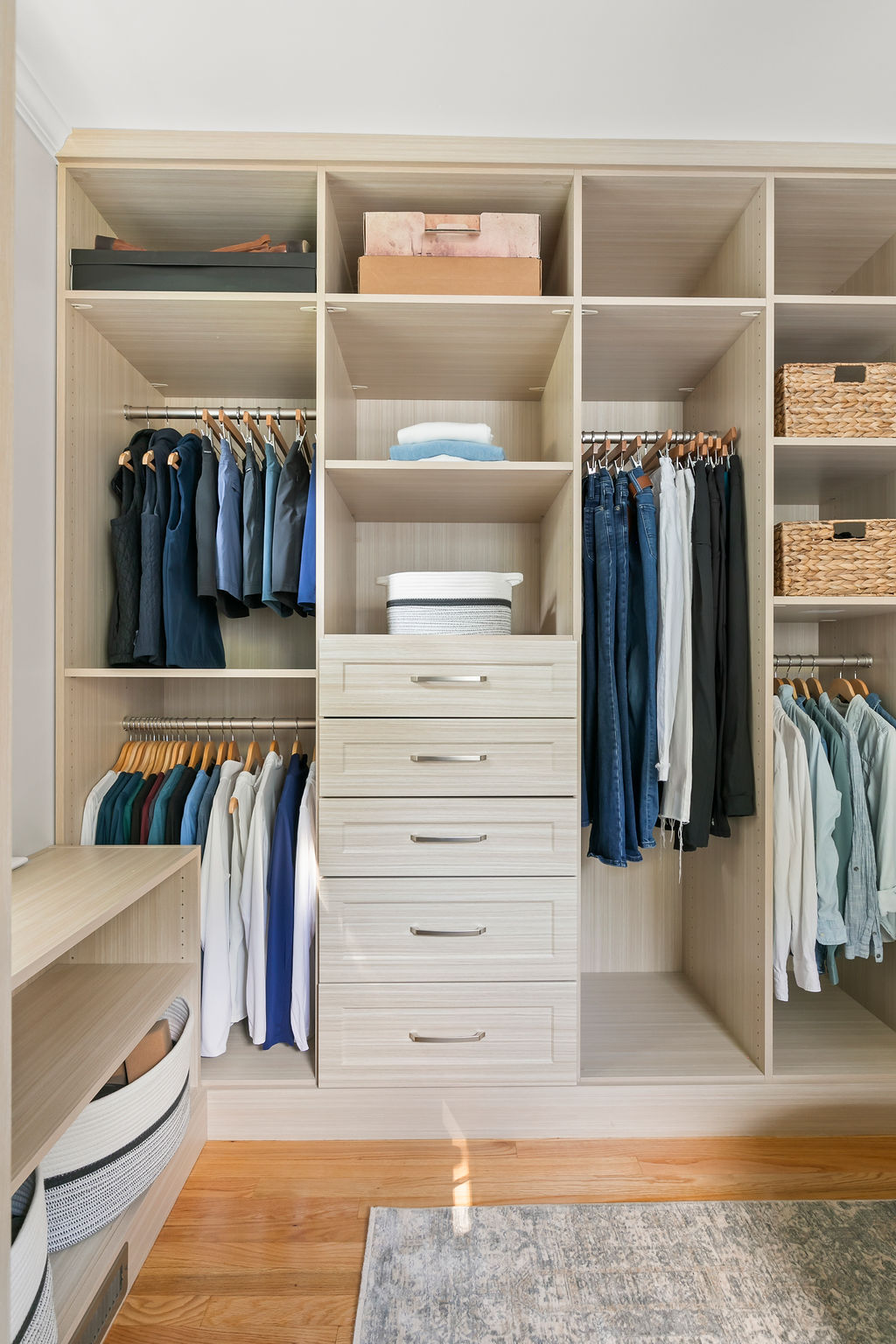
A former guest bedroom was reimagined as a custom walk-in closet with an integrated laundry area, connected directly to the primary suite. This move accomplished several things at once. It dramatically increased storage, brought laundry to the same level as the bedroom (eliminating stair trips entirely), and improved the daily flow of the home in a way that will matter even more as the years go on.
Decisions like this — repurposing underused rooms rather than adding square footage — are some of the most efficient upgrades available in aging-in-place renovations.
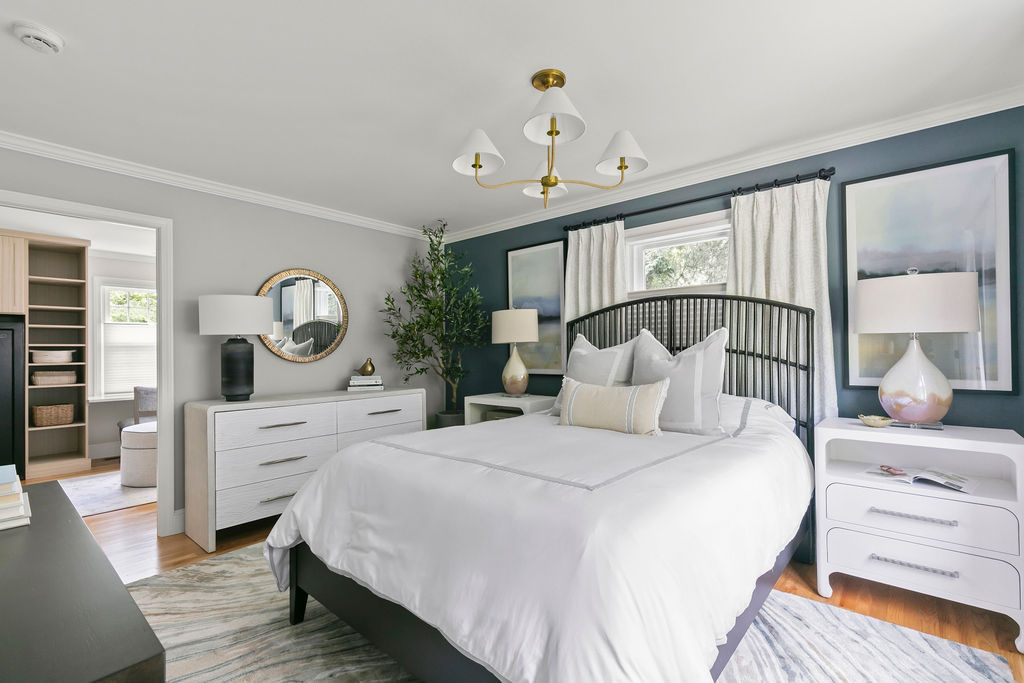
The Aesthetic: Warm, Cozy, and Built to Last
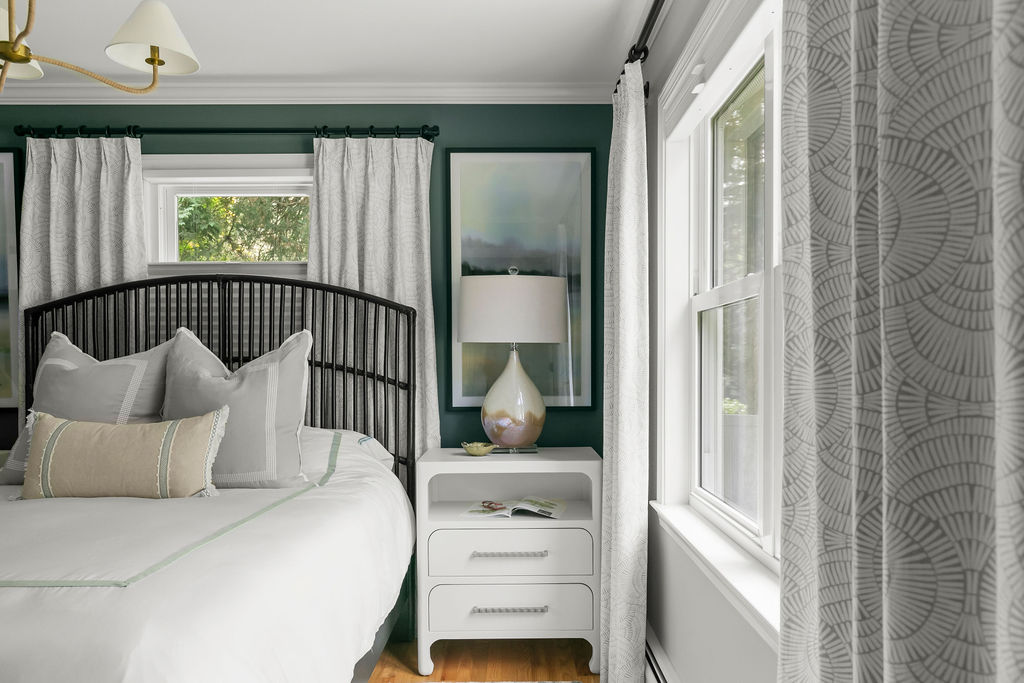
Functional design is only half the equation. A home that works well but feels cold or sterile is not a home anyone wants to grow old in. This project was designed with New England winters in mind: layered textures, warm wood tones, tailored built-ins, and a soothing color palette that makes every room feel like a retreat.
Every material and finish choice was made with longevity in mind. Not trendy. Not of-the-moment. Timeless — the kind of design that will still feel right and relevant twenty years from now.
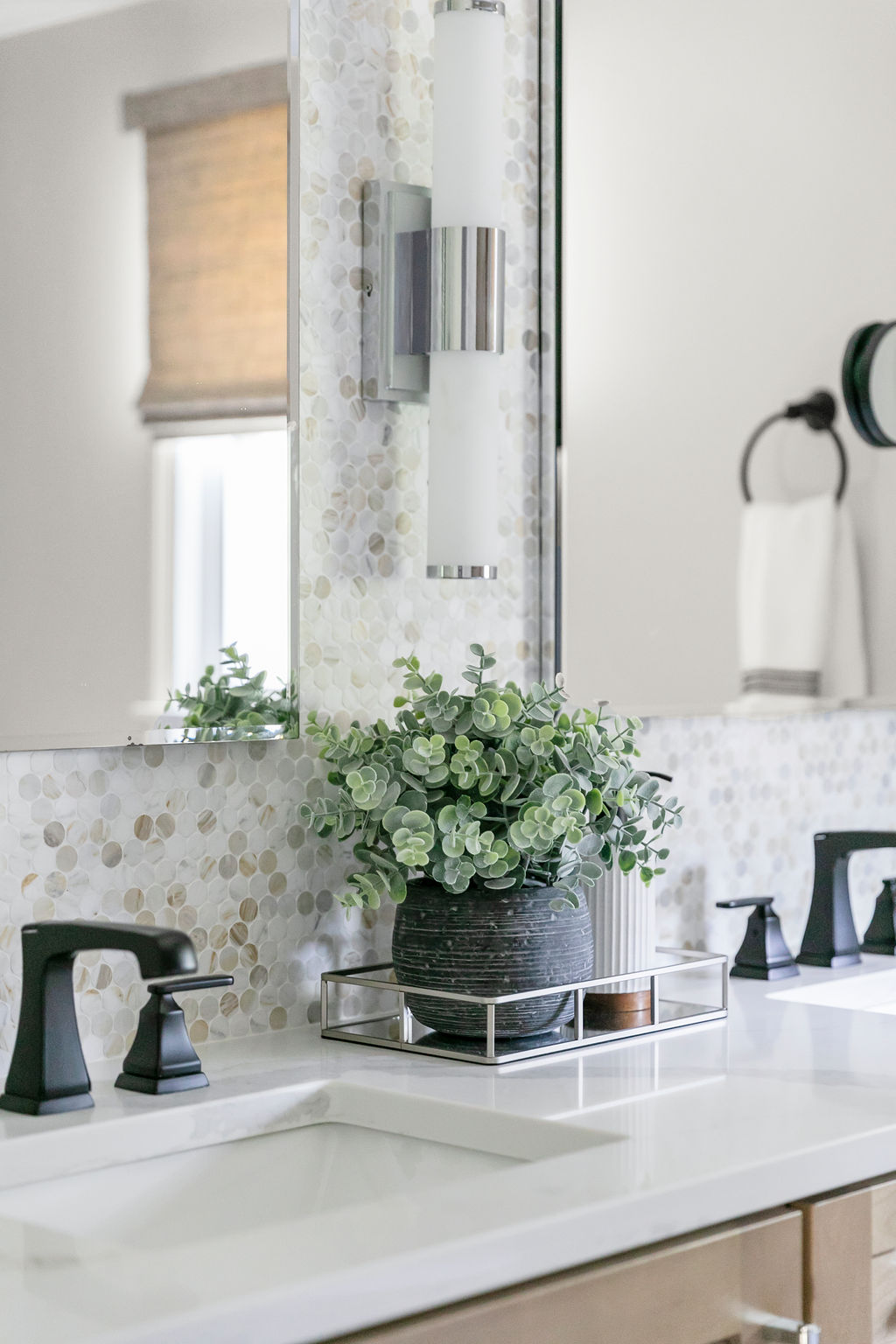
The primary bedroom, custom closet, and bathrooms all carry this through. There are no cold institutional finishes, no compromise between function and beauty. The spaces are soft, considered, and deeply livable.
Key Design Principles from This Project
If you are thinking about how to adapt your own home for long-term living, here are the core strategies this project demonstrates:
Prioritize single-level living. The ability to complete every daily task — sleeping, bathing, doing laundry, cooking — without climbing stairs is one of the most impactful changes you can make for aging in place.
Maximize your existing square footage before adding more. Reconfiguring what you already have is almost always more efficient and less expensive than expanding a footprint. A skilled designer can find space you did not know you had.
Design bathrooms for the future now. Wider clearances, accessible layouts, and room for mobility aids cost very little extra when planned from the start. They cost significantly more to retrofit later.
Bring laundry to the bedroom level. This is one of the most practical quality-of-life improvements in aging-in-place design, and one of the most frequently overlooked.
Choose timeless over trendy. If you are designing a forever home, your design should be able to carry you there. Classic materials, warm palettes, and quality craftsmanship hold up in ways that trend-driven choices do not.
Why This Project Matters
This is not a renovation story about adding grab bars and calling it done. It is a story about a couple who made a conscious decision to design a life, not just a house — and about what it looks like when aging-in-place design is executed with the same intention and craft as any high-end interior project.
The result is a home that is genuinely beautiful, deeply practical, and built for the long haul. It is the kind of project that reminds us that thoughtful design is not about aesthetics or function — it is about both, always.
See the Full Project
You can view the complete photo gallery and explore more work from Lisa Scheff Designs in the portfolio on our website.
If you are considering a renovation with aging in place in mind — whether you are planning ahead or responding to a current need — we would love to talk about what is possible in your home.
Lisa Scheff Designs is an interior design studio serving clients in Western Massachusetts and beyond. Specializing in thoughtful, livable spaces that balance beauty with function. Connect with Lisa's Team Here


